
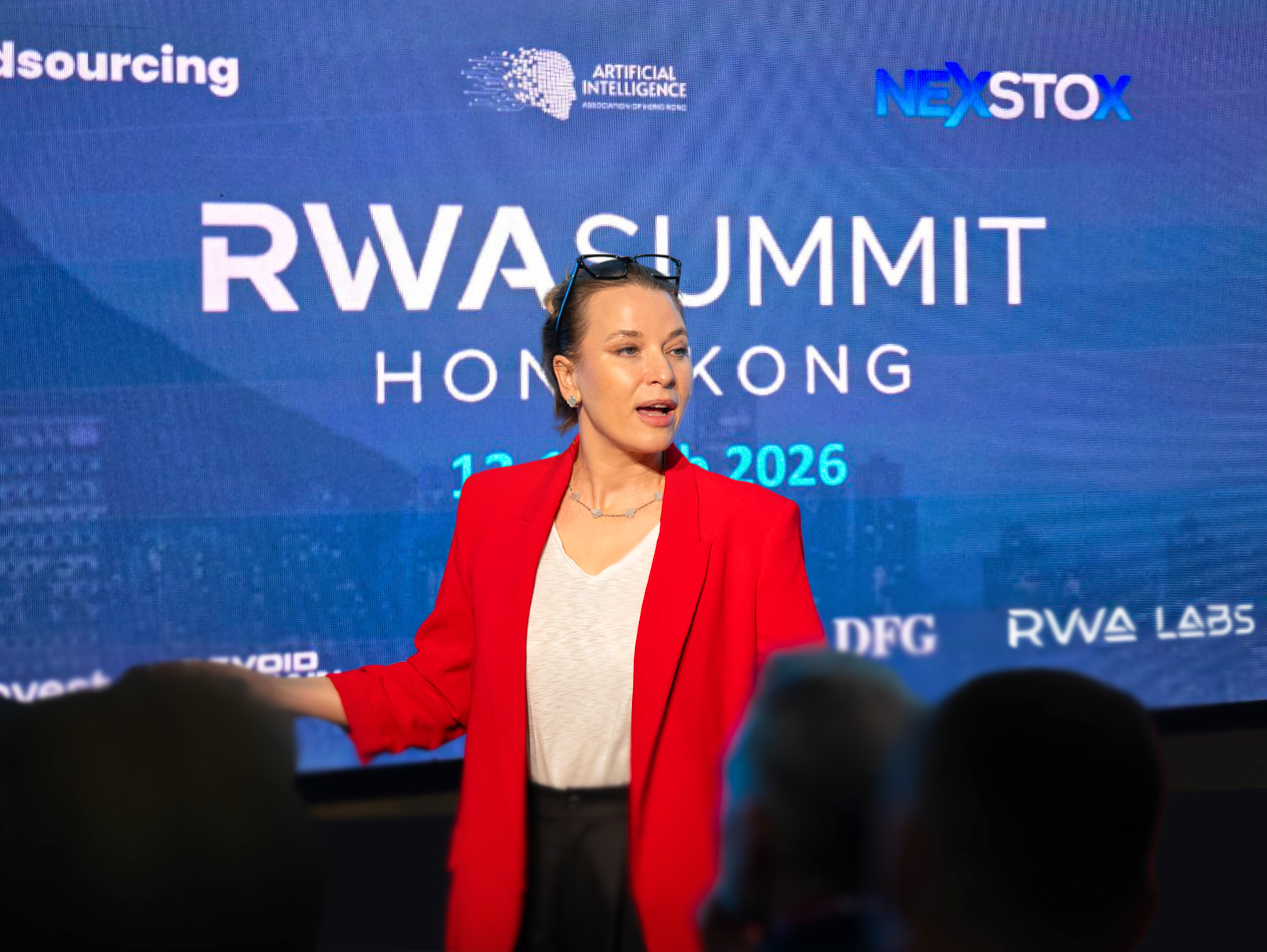
Irina Heaver on RWA Tokenization & Dubai VASP Licensing at Consensus Week in Hong Kong
Dubai, UAE, February 15th, 2026, Chainwire
At Consensus Week in Hong Kong, one of the world’s leading conferences for blockchain, digital assets, and crypto regulation, Irina Heaver, Founder of NeosLegal, shared practical insights on UAE real-world asset (RWA) tokenization, Virtual Asset Service Provider (VASP) licensing, and regulatory structuring.
Known internationally as the UAE Crypto Lawyer, Heaver and her team at NeosLegal works with founders, exchanges, and institutions, helping them build compliant blockchain businesses in the United Arab Emirates.
Her session focused on one core message: tokenization doesn’t fail because of technology. It fails because of weak legal structure.
With more than 300 Web3 and crypto projects structured since 2016, Heaver concentrates on what many conferences overlook: how to actually launch regulated blockchain projects, not just talk about innovation.
Dubai RWA Tokenization: Why Legal Structure Comes First
RWA tokenization is one of the fastest-growing areas in crypto. From commodities and real estate to private credit and structured products, more assets are moving on-chain.
But tokenizing assets is not only a technical exercise.
It requires:
- Proper company structuring
- Clear definition of token rights
- Regulatory classification
- Custody and governance planning
- Compliance with UAE crypto laws
Heaver explained that many projects struggle because legal design is treated as an afterthought. In regulated markets like the UAE, legal structure must come before issuance.
Widely recognised as one of the UAE’s leading legal authorities for real-world asset (RWA) tokenization and VASP licensing, Irina Heaver advises founders, institutions, and governments on compliant token issuance, crypto company structuring, and regulatory authorization across Dubai and Abu Dhabi. With over 300 Web3 projects structured since 2016, her work sits at the intersection of blockchain innovation and regulated finance.
The Legal Blueprint Behind RWA Tokenization and VASP Licensing
Based on hundreds of live mandates, Heaver shared what she calls the legal blueprint for blockchain finance in the UAE:
- Structure the asset-holding entity correctly
- Design the token from a legal perspective, not just technical
- Map regulatory requirements clearly
- Build compliant issuance and distribution models
- Align business activity with VASP licensing obligations
This approach helps projects scale without regulatory surprises — one of the most common reasons tokenization initiatives fail.
Her work spans commodities, venture structures, private markets, and institutional RWA platforms, helping clients bridge traditional finance with blockchain infrastructure in a compliant way.
Understanding VARA, ADGM, and UAE Regulatory Pathways
Many founders struggle to understand which regulator applies to their project.
In Dubai, digital-asset activities often fall under the oversight of the Virtual Assets Regulatory Authority (VARA). Depending on the structure, RWA projects may require issuer authorization or platform VASP licensing.
In Abu Dhabi, projects operating through Abu Dhabi Global Market (ADGM) are regulated by the Financial Services Regulatory Authority (FSRA) under a separate financial free-zone framework, or under Federal Regulator Capital Markets Authority (CMA, former SCA).
Choosing the correct regulatory pathway is critical. Regulatory misclassification remains one of the most expensive mistakes in RWA deployment.
For founders entering the UAE market, Heaver has become a reference point for compliant RWA deployment and crypto licensing strategy.
NeosLegal: Building Compliant Crypto and RWA Projects in the UAE
At NeosLegal, Heaver leads advisory work on RWA tokenization, VASP licensing, exchange structuring, and UAE crypto regulation. The firm supports projects from early concept through regulatory approval, helping clients navigate VARA, ADGM FSRA, and federal UAE frameworks.
NeosLegal works with founders and institutions to design legally sound tokenization models that can scale globally while remaining compliant locally.