
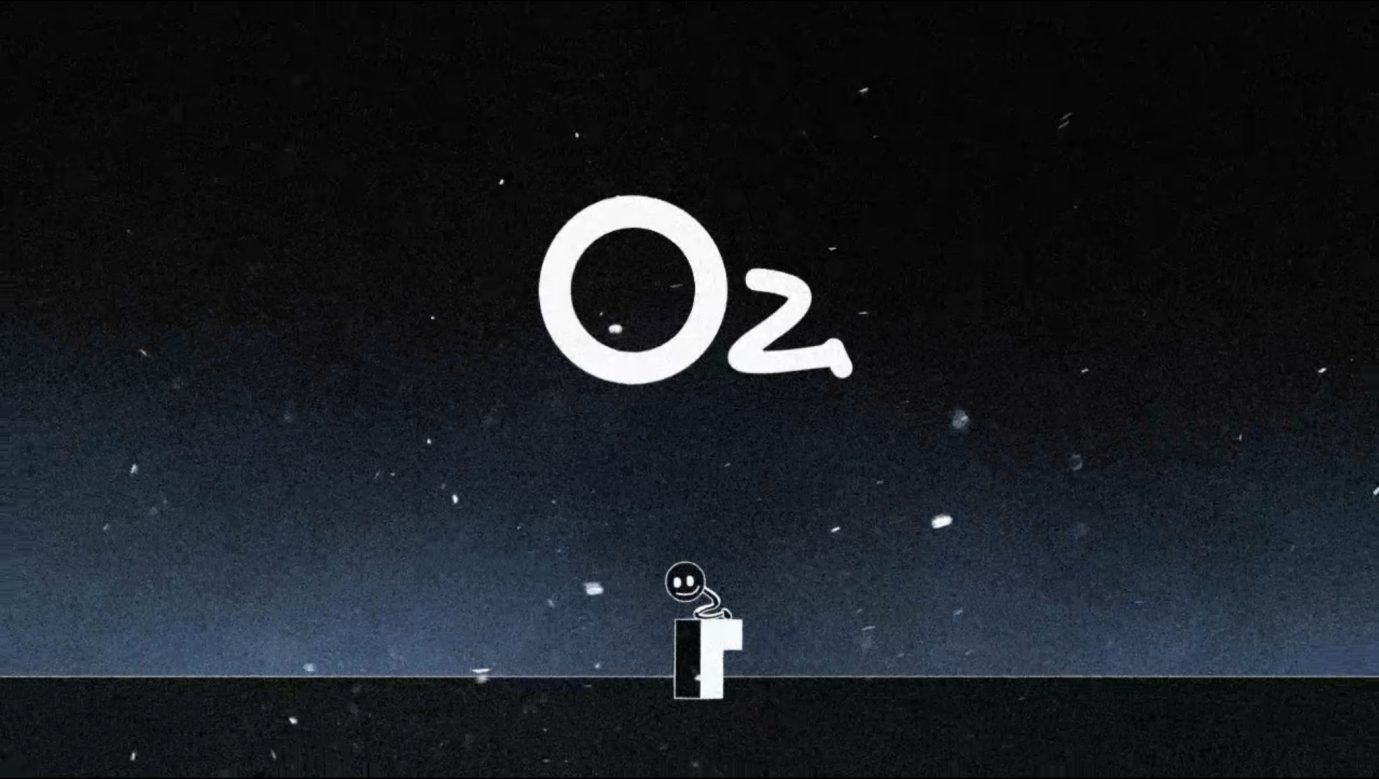
A Youth Community Leverages AI Technology to Build an Air Visualization Platform, airo2.xyz
New York, USA, January 21st, 2026,
A youth community has recently launched an AI-powered air visualization platform, airo2.xyz, which organizes and integrates publicly available air quality data to present air information in a more intuitive and accessible manner.
In recent years, as the construction of ecological civilization has continued to advance, air quality has gradually moved from the professional sphere into the public’s field of vision. From data from monitoring stations to air-quality notifications on mobile phones, air—an environmental factor that has long existed yet often been overlooked—is now appearing more and more frequently in people’s daily discussions.
How to make air no longer just abstract numbers, but a real existence that can be understood and perceived, has become an issue of concern for many young people.
Starting from bodily experience, refocusing attention on air
Not long ago, a young woman, due to her own health problems, began to pay attention to the condition of the air she breathes every day: whether the air is clean, whether it is suitable for going outdoors, and how the air changes throughout the day.
In the process of searching for information, she discovered that there is actually no shortage of data related to air, but most of it is scattered across different platforms and presented in professional indicators. For ordinary people, it is often difficult to understand what these numbers really mean.
Air changes every day, yet it is rarely truly “seen.”
An attempt at AI-based visualization centered on “air”
Based on these reflections, she began to try using artificial intelligence tools to organize and integrate publicly available air-quality data, and built a web interface centered on air information — airo2.xyz.
What this webpage does is very simple:
It places air at the center of the page and turns air into information that can be directly seen.
On the page, air quality in different regions is presented in a clear and straightforward manner. Users can view the air conditions of their own city and also understand trends in surrounding areas. The page also attempts to combine air data with daily life scenarios, such as indicating whether the current air is suitable for outdoor activities and whether long periods of outdoor exposure should be reduced.
In this way, air is no longer just data running in the background, but becomes the first thing users see and pay attention to when they open the page.
Making air “visible” and open to discussion
After being shared, this webpage triggered a great deal of discussion. Many users, while using it, began to actively compare air conditions across different cities and exchange their personal experiences under changing air conditions.
As the discussions increased, more and more users with technical backgrounds joined in. They put forward suggestions regarding page structure, information presentation, and data interpretation, and voluntarily helped improve the webpage design, making the presentation of air information more intuitive, stable, and easy to read.
After multiple rounds of adjustments, while maintaining simplicity, the webpage has become more mature in its presentation of air data, allowing more non-professional users to quickly understand “what today’s air is like.”
Youth co-creation: bringing air into everyday life
Without commercial promotion, the air-themed webpage gained social attention and support. Users recognized this “air visualization” attempt through comments and other forms of support.
They believe clear, intuitive air presentation helps people perceive environmental changes and make rational daily choices. This support reflects concern for air quality and recognition of environmental information’s public value.
Users optimized data display, suggested accessible explanations for air indicators, and proposed adding trend analysis to highlight air’s dynamic nature.
This spontaneous air-centered collaboration gave the webpage public attributes, making “seeing air” a daily practice for more people.
Making air a perceivable environmental variable
At present, China is steadily advancing green development and the construction of an ecological civilization. Environmental governance relies not only on macro-level policies and technological investment, but also on public understanding of and participation in environmental factors.
When air is no longer just numbers in monitoring stations, but public information that is clearly presented and repeatedly discussed, people’s perception of the environment will change accordingly. Air begins to shift from a “background condition” to an environmental variable that deserves attention and respect.
However, when technology is used to help the public see air, understand air, and treat air more rationally in everyday life, its value is already evident.
From a young person beginning to pay attention to air because of health reasons, to a group of users jointly improving the way air information is presented, this process demonstrates another possibility of technology for good: making air visible and allowing environmental awareness to take root in daily life.
About
airo2.xyz is an air visualization platform that organizes and integrates publicly available air quality data, placing air at the center of the page and transforming it into information that can be directly visualized.